+8613412180050
carbonfiber@loongcarbonfiber.com
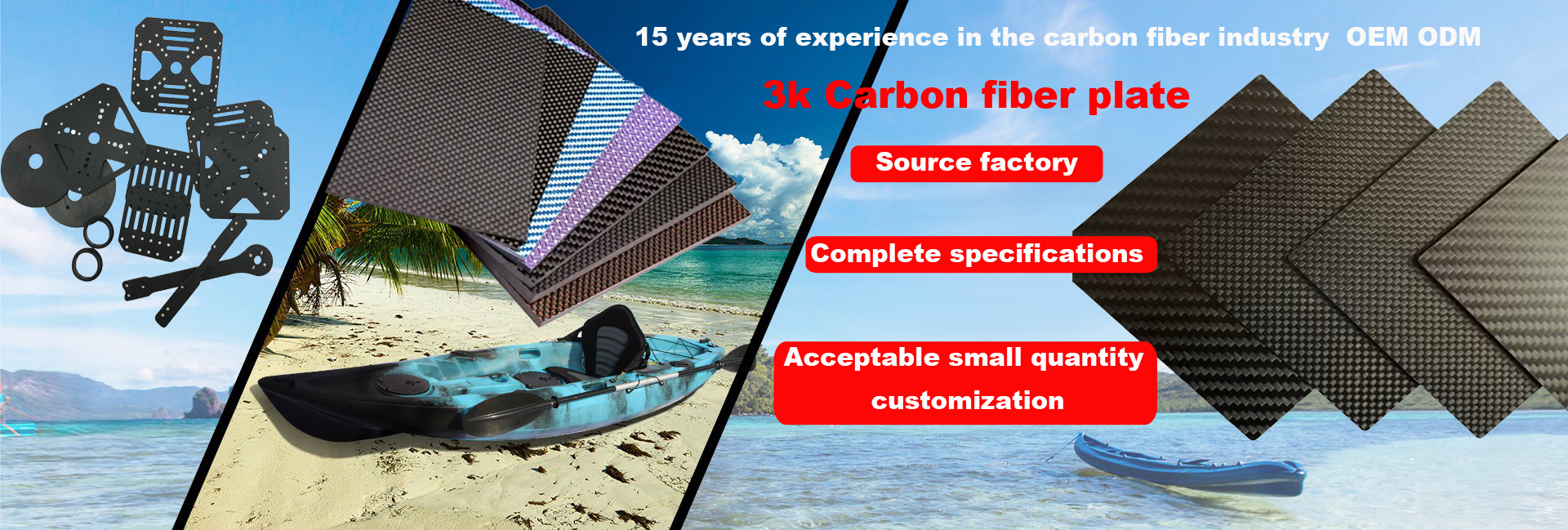
Though both carbon fiber and fiberglass are fiber-reinforced polymers, their performance profiles diverge dramatically—making the choice between them a strategic decision rather than a cosmetic one. While fiberglass (typically E-glass) remains a cost-effective workhorse for non-critical structures, carbon fiber sheets represent the apex of composite engineering for demanding applications.
Mechanically, carbon fiber boasts 2–3 times the tensile strength and 4–5 times the stiffness of standard fiberglass at similar thicknesses. This translates into thinner, lighter components that resist deflection under load—critical in UAV arms, racing chassis, or precision instrumentation.
Thermally, carbon fiber’s matrix (usually epoxy or BMI resin) maintains integrity up to 120–180°C, with specialized formulations enduring beyond 250°C. Fiberglass, while adequate for ambient conditions, softens more readily and exhibits higher thermal expansion—problematic in environments with cyclic heating.
Economically, fiberglass wins on raw material cost (often 1/3 to 1/5 the price of carbon fiber). However, this advantage erodes when performance-per-kilogram or lifecycle maintenance is considered. In marine, automotive, or aerospace contexts, the weight savings and durability of carbon fiber frequently justify its premium.
Choose fiberglass for budget enclosures or non-structural panels; choose carbon fiber when every gram and micron matters.

Name: Hellen Li
WeChat:Loongcarboncomposite
Tel:+8613412180050
Whatsapp:8613412180050
Email:carbonfiber@loongcarbonfiber.com
Add:NO.10, Junma Road, Dalang Town, Dongguan City, Guangdong Province, China
 CHINESE
 ENGLISH