BLOG
A Complete Guide to Carbon Fiber Plates and Tubes
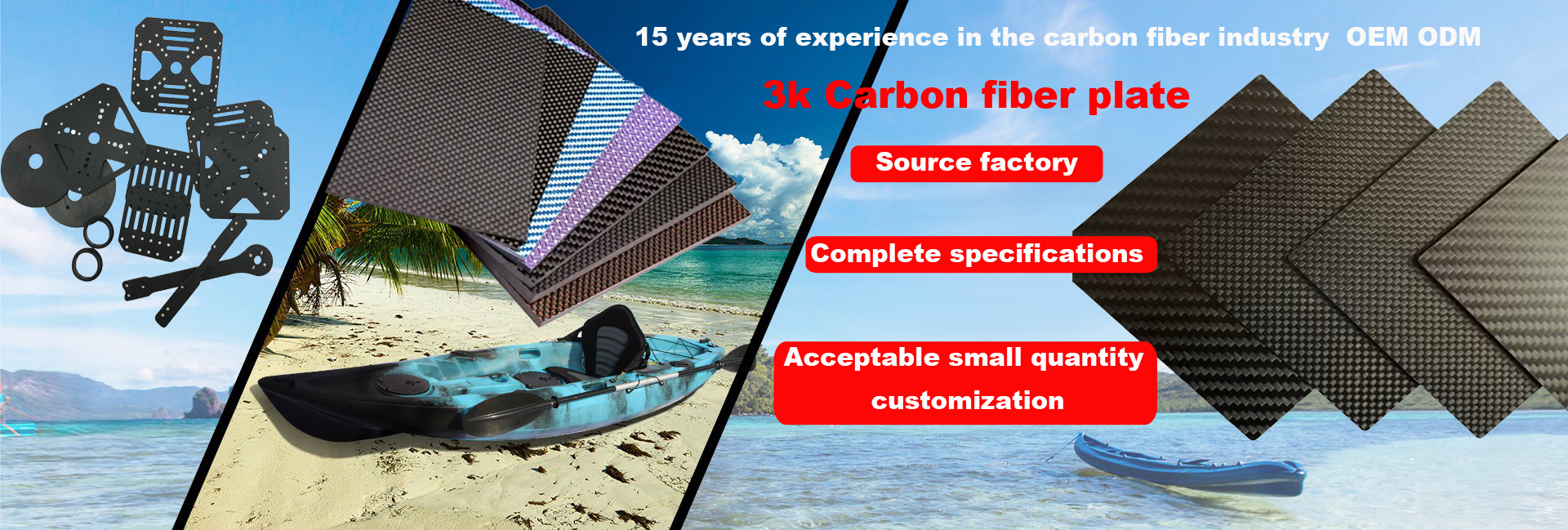
Carbon fiber plates and tubes are foundational components in the realm of high-performance composite materials, celebrated for their exceptional mechanical properties. Primarily constructed from carbon fibers embedded within a resin matrix, they offer a unique combination of high tensile strength, lightweight nature, and superior stiffness. This guide explores their key characteristics, manufacturing processes, and diverse applications.
Core Characteristics
The defining advantage lies in their strength-to-weight ratio, often outperforming traditional materials like steel and aluminum while being significantly lighter. They exhibit excellent corrosion resistance, immunity to electromagnetic interference (EMI), and remarkable fatigue durability, ensuring long-term reliability even under extreme stress conditions. Their thermal stability and low thermal expansion coefficient make them ideal for precision applications.
Manufacturing Process
The production begins with spinning polyacrylonitrile (PAN) fibers, which are then stabilized and carbonized at high temperatures. These fibers are woven into fabrics or aligned as tow. For plates, the fabric is layered and infused with resin via hot pressing or autoclaving. Tubes are typically formed through filament winding, where carbon fiber tow is spirally wrapped around a mandrel, followed by curing and machining to precise dimensions.
Applications
In aerospace, they reduce aircraft weight to boost fuel efficiency. In automotive, they enhance performance in chassis and body parts. The sports industry leverages them for lightweight, rigid bicycle frames, tennis rackets, and golf clubs. In industrial robotics and marine engineering, their structural integrity and corrosion resistance are invaluable. Additionally, they are critical in medical devices like X-ray compatible equipment due to their radiolucent properties.
This guide underscores how carbon fiber plates and tubes continue to drive innovation, enabling advancements across high-tech industries.

 CHINESE
 ENGLISH