+8613412180050
carbonfiber@loongcarbonfiber.com
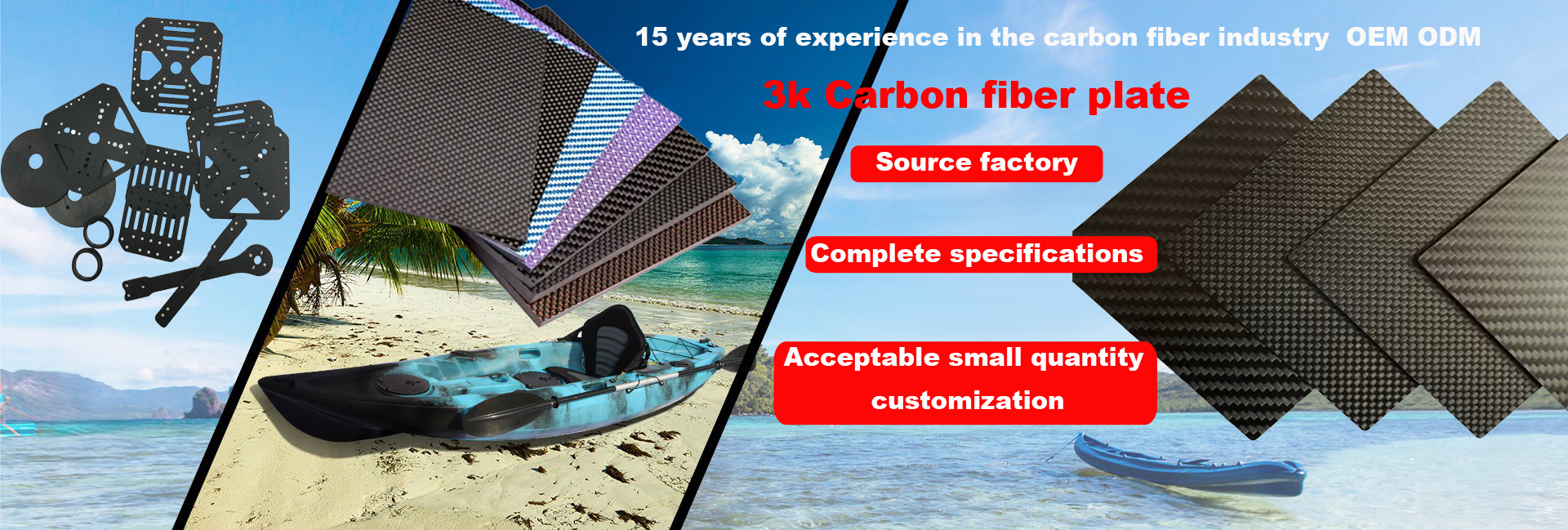
The global surge in demand for carbon fiber has unfortunately given rise to a flood of counterfeit or substandard products—especially in online marketplaces where visual appeal masks underlying deficiencies. Discerning genuine, high-performance carbon fiber tubes from deceptive imitations requires both technical vigilance and sensory scrutiny.
First, examine the surface finish. Authentic carbon fiber exhibits a crisp, uniform weave pattern (typically 3K twill or plain) with consistent resin gloss. Blurry patterns, uneven gloss, or visible filler materials often indicate fiberglass masquerading as carbon fiber—or worse, carbon-coated plastic.
Next, perform a weight check. True carbon fiber has a density of approximately 1.5–1.6 g/cm³. If a “carbon” tube feels suspiciously light or heavy for its size, it’s likely adulterated. A simple scale comparison against known-spec samples can reveal discrepancies.
Ask for documentation: reputable suppliers provide material certifications (e.g., ISO 9001), tensile strength data (>3,500 MPa for T700-grade), and resin type (epoxy vs. polyester). Polyester-resin composites are cheaper but brittle and moisture-sensitive—unsuitable for precision applications.
Finally, conduct a flexural test (if possible): high-quality carbon fiber tubes resist bending without permanent deformation, whereas fake versions crack or delaminate under modest loads.
Never compromise on verification—your project’s success hinges on material authenticity.
@loongcarbonfiber

Name: Hellen Li
WeChat:Loongcarboncomposite
Tel:+8613412180050
Whatsapp:8613412180050
Email:carbonfiber@loongcarbonfiber.com
Add:NO.10, Junma Road, Dalang Town, Dongguan City, Guangdong Province, China
 CHINESE
 ENGLISH