BLOG
Plain Weave vs Twill Weave Carbon Fiber Plates: What’s the Difference?
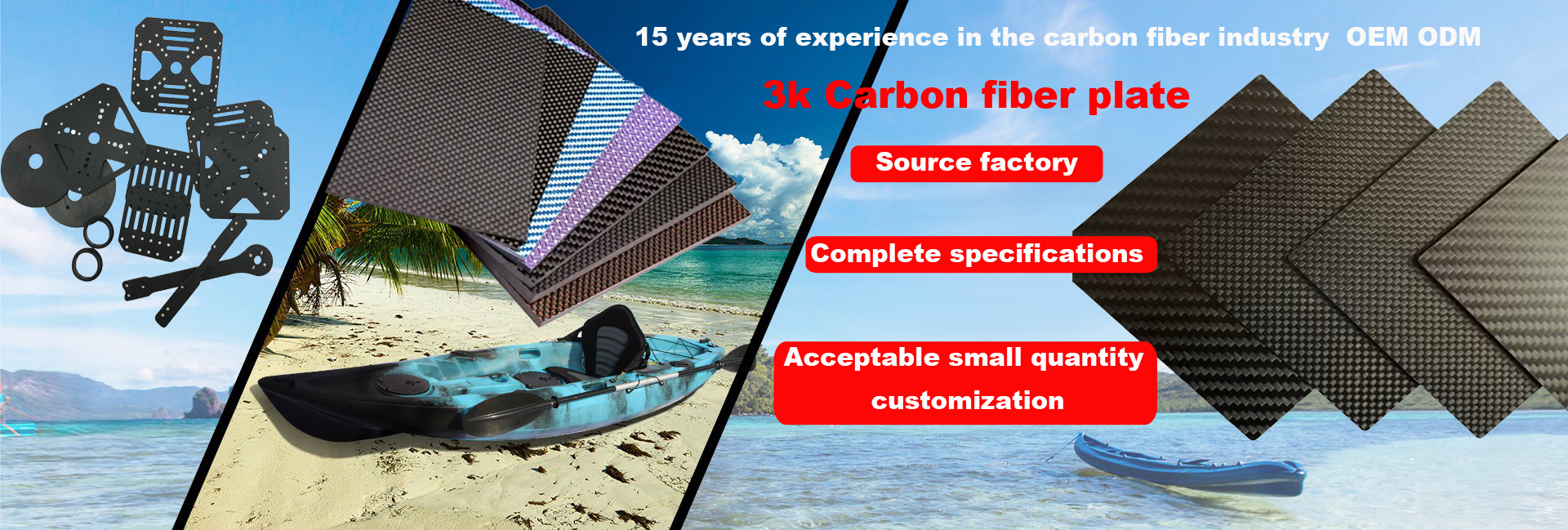
Plain weave and twill weave are the two most common carbon fiber plate constructions, each with distinct visual, mechanical, and functional properties that make them suited for different applications. Plain weave features an alternating “over-under” pattern of carbon fiber tows, where each warp thread crosses over and under each weft thread, creating a tight, uniform, 1x1 grid pattern. This construction delivers balanced strength across all axes, with consistent stiffness in both warp and weft directions, making it ideal for applications requiring uniform load distribution (e.g., flat support plates, simple structural components). Visually, plain weave produces a subtle, understated texture with minimal warp, emphasizing the natural carbon fiber appearance. Twill weave, by contrast, uses a 2x2 or 3x1 pattern where each thread crosses over two or more threads and under one, creating a diagonal “herringbone” pattern that is more pronounced and visually striking. Twill weave plates offer higher flexibility and drapability than plain weave, making them easier to form into curved or complex shapes—critical for automotive body panels, drone frame components, and curved architectural parts. Mechanically, twill weave has slightly higher torsional stiffness than plain weave, making it better suited for parts subject to twisting forces, while plain weave excels in applications requiring balanced axial and transverse strength. In terms of performance, both weaves retain carbon fiber’s core benefits (high strength-to-weight, corrosion resistance), but the choice hinges on application needs: plain weave is preferred for flat, rigid structural plates where uniform strength and a subtle finish are priorities. Twill weave is ideal for aesthetic-focused projects or curved components where drapability and torsional stiffness add value. When selecting, balance visual preferences with mechanical requirements to ensure the weave aligns with the plate’s intended function. @loongcarbonfiber

 CHINESE
 ENGLISH