BLOG
Thick vs Thin Carbon Fiber Plates: Choosing the Correct Profile
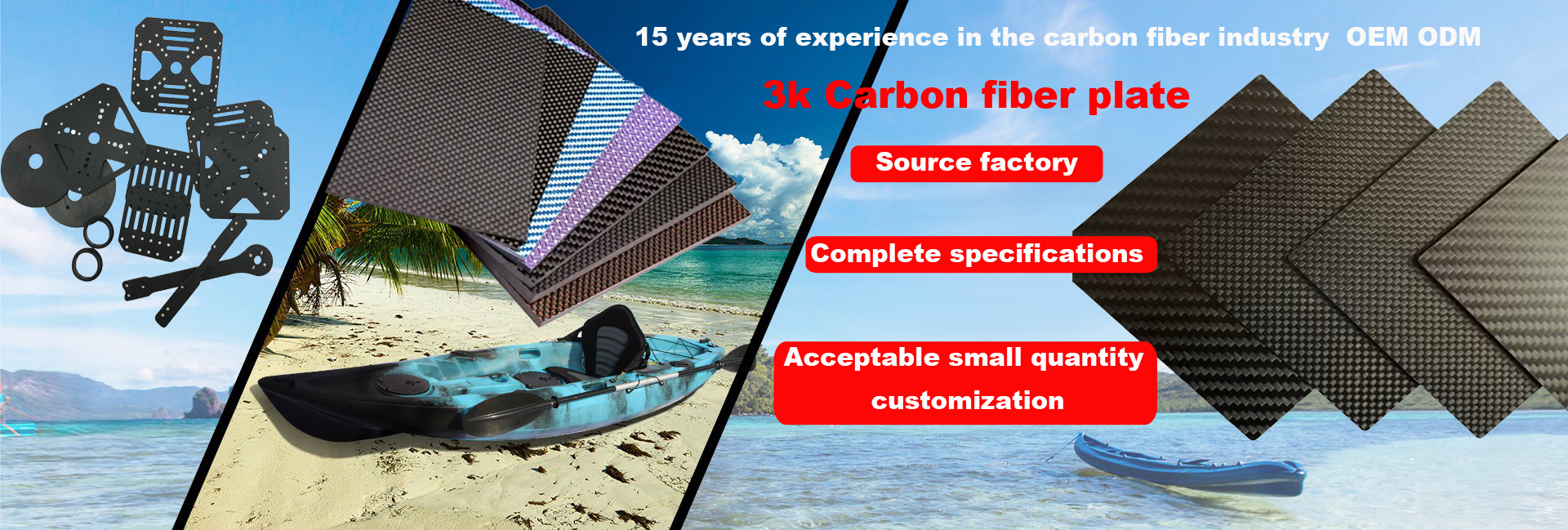
Selecting between thick and thin carbon fiber plates hinges on balancing load requirements, weight constraints, and fabrication feasibility, as each profile offers distinct advantages and limitations. Thin carbon fiber plates (typically 0.5–3mm) are ultra-lightweight and flexible, making them ideal for applications where weight reduction is critical and loads are minimal. They excel in drone frame components, robotics end effectors, consumer electronics casings, and thin structural supports, where their low profile and flexibility allow for compact, maneuverable designs. However, thin plates have lower load-bearing capacity and are prone to bending or tearing under heavy impact, making them unsuitable for high-stress applications. Thick carbon fiber plates (4mm and above, up to 10mm+ for custom fabrication) deliver exceptional rigidity and load-bearing strength, making them the choice for heavy-duty structural projects. They are used in aerospace frame components, industrial machinery bases, automotive chassis reinforcements, and bridge parts, where they withstand heavy static and dynamic loads without deformation. Thick plates also offer improved impact resistance, reducing the risk of damage in high-use environments. However, their increased thickness adds weight, which may be a constraint for weight-critical applications. Key considerations for selection include load magnitude (static vs dynamic), weight limits, and fabrication complexity. For thin plates, CNC cutting is straightforward, while thick plates may require multi-layer layups or custom fabrication to ensure structural integrity. Additionally, fiber orientation plays a role: unidirectional layups enhance axial strength in thick plates for load-bearing, while woven layups improve balance in thin plates for flexibility. By matching plate thickness to real-world application demands, engineers can optimize performance, weight, and cost for any project. @loongcarbonfiber

 CHINESE
 ENGLISH